

A Guide to High-Performance Racing Lubricants & Fluids
Engine Oil Basics
Viscosity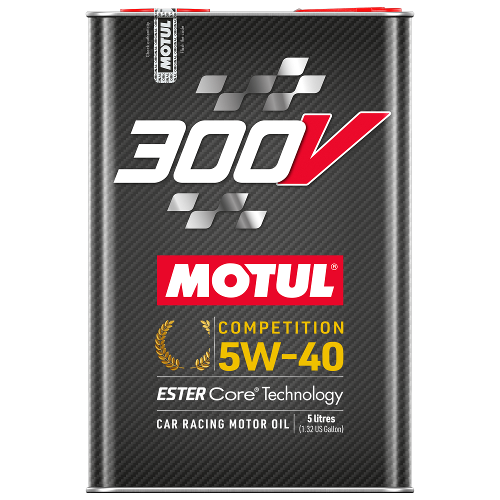
Oil thickness is measured using the SAE J300 system. Two numbers are shown on the label:
-
First number (before the “W” for winter) = cold start flow.
-
Second number = flow at normal running temp.
Example: 5W-30 flows more easily from cold than 10W-30.
-
Thinner oil = faster circulation on cold start, less drag on moving parts.
-
Thicker oil = stronger protection at extreme heat.
Pit Lane Pro Tip: Switching grades? Don’t go too thin if your engine has variable valve timing — oil pressure changes can upset it.
Gear Oil
Gear oils use the SAE J306 grading system. Example: 75W-140.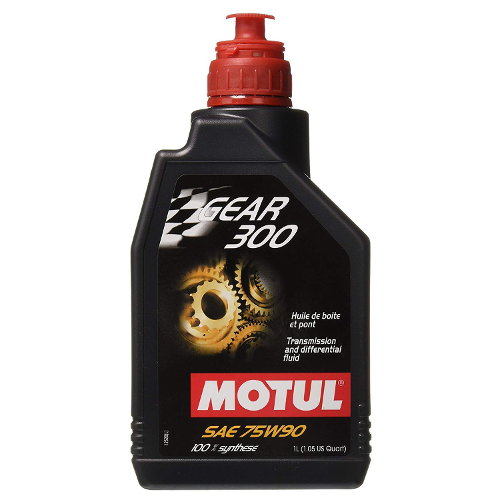
-
First number = performance at 0°C.
-
Second number = performance at 100°C.
GL Ratings:
-
GL-4 – best for synchromesh gearboxes.
-
GL-5 – designed for high-load applications like dog boxes, hypoid gears, and LSDs.
Pit Lane Pro Tip: In competition, a lower viscosity gear oil can free up a few horsepower — but make sure it still has the load protection your gearbox needs.
Oil Standards
-
ACEA (Europe) – A = petrol, B = diesel, C = modern low-SAPS oils for emissions systems. Numbers indicate performance level.
-
API (US) – “S” for petrol, “C” for diesel; the second letter shows quality level (later letters = newer spec).
Oil Types
-
Mineral – Cheap, but only really for classic engines or running-in.
-
Semi-synthetic – Mid-range blend; quality varies between brands.
-
Fully synthetic – Best choice for competition; resists heat, reduces wear, and lowers oil consumption.
-
Castor-based – Excellent lubrication for certain classic or alcohol-fuel engines, but degrades quickly.
Pit Lane Pro Tip: For most modern competition engines, fully synthetic is the safest bet — even if it costs more upfront.
Oil Flow Rates
Right — so when you see something like 5W vs 10W, that first number is a cold temperature viscosity rating, and it’s measured at very low temperatures using the SAE J300 standard.
It’s not a “linear” scale (i.e., 10 is not exactly double 5), but the difference is still significant in real-world flow.
-
A 5W oil has to meet a maximum cold cranking viscosity of 6,600 cP at –30°C.
-
A 10W oil has to meet a maximum cold cranking viscosity of 7,000 cP at –25°C.
That means at a given very cold temperature, 5W flows roughly 20–25% easier than 10W — and crucially, it stays pumpable at 5°C lower temperatures.
In practice:
-
In UK rally conditions, a 5W oil will circulate through the engine a fraction of a second faster on a frosty morning than a 10W.
-
That faster circulation = quicker oil pressure build-up = less metal-to-metal contact during startup.
Pit Lane Pro Tip: Even in motorsport, most engine wear happens in the first 30 seconds after a cold start — pick your “W” grade with your coldest expected start-up temperature in mind, not your warmest.
.
Cold Flow Comparison — 5W vs 10W
| Oil Grade | Max Cold Crank Viscosity (cP)* | Test Temp | Pumpable Down To | Flow Difference vs 10W |
|---|---|---|---|---|
| 5W | 6,600 | –30°C | ~ –35°C | ~20–25% easier flow |
| 10W | 7,000 | –25°C | ~ –30°C | Baseline |
*Measured under SAE J300 standards
💡 Race Rally Pro Tip: Every °C colder at startup makes oil thicker — so the grade that pumps 5°C colder can be the difference between instant pressure and a dry crank for half a second. That’s why 5W is often preferred if winter or early-morning stage starts are in your calendar.