PD Extinguishers
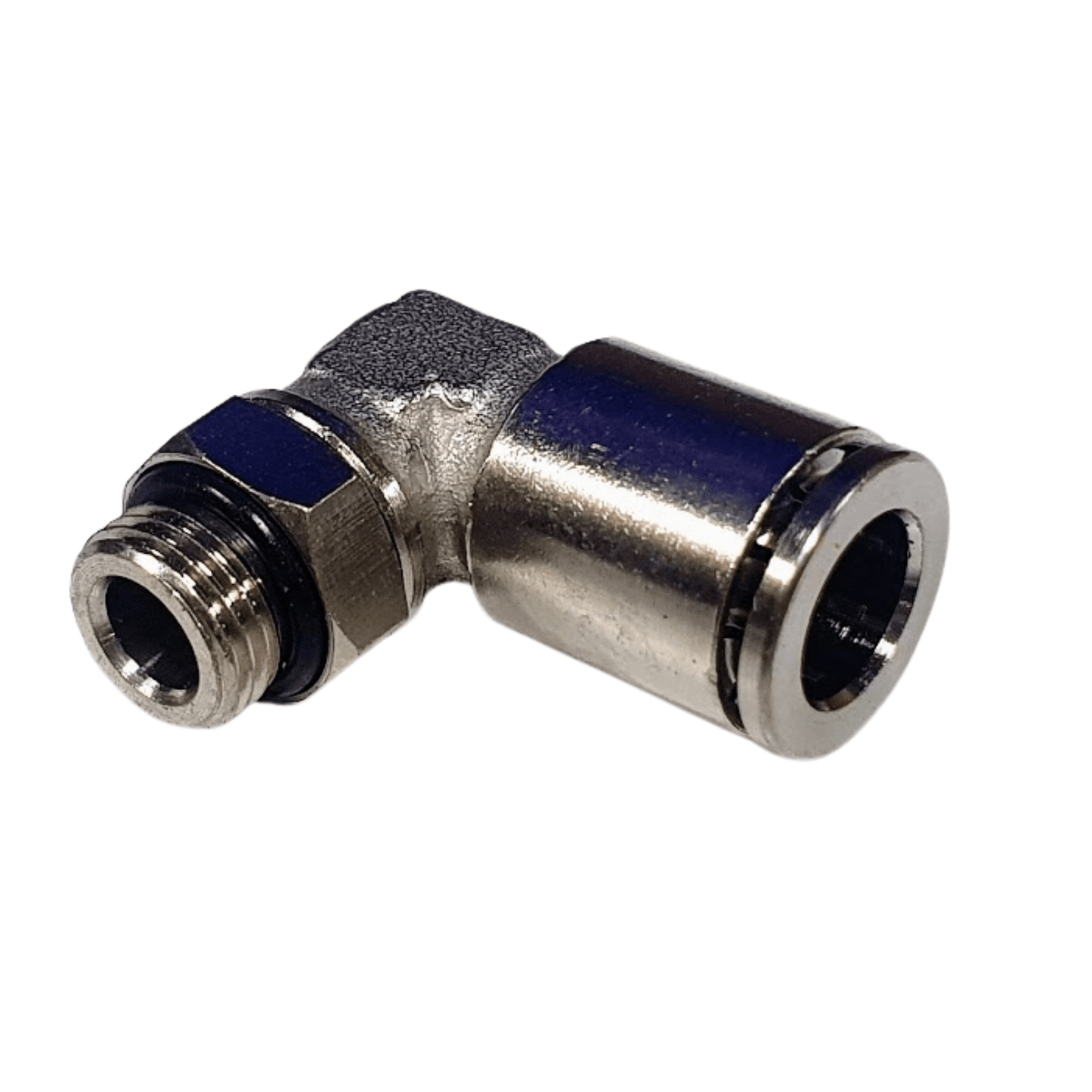
PD 90° Elbow Fitting to AFFF Nozzle
PD 90° Elbow Fitting to AFFF Nozzle
Couldn't load pickup availability
The PD AFFF 90 degree elbow fitting is designed for use within AFFF fire suppression systems, allowing correct positioning and installation of both nozzle types at the end of the fire system line.
Engineered for motorsport applications, this elbow enables a secure and efficient directional change in hose routing, ensuring optimal nozzle placement within the cockpit or engine bay. It is commonly used where space constraints or installation angles require precise routing for effective fire suppressant delivery.
Built for race, rally and competition environments, this component ensures reliable system integration while maintaining correct flow and discharge performance across the fire suppression system.
Key Features
- 90° angled elbow fitting for AFFF fire systems
- Allows installation of both nozzle types at line end
- Improves hose routing and installation flexibility
- Suitable for cockpit and engine bay applications
- Motorsport-grade construction for reliability
- Designed for race, rally and competition vehicles
Motorsport Applications
Suitable for:
- Stage rally cars
- Circuit racing vehicles
- Endurance motorsport
- Track day builds
- FIA-compliant fire suppression systems
Frequently Asked Questions
What is a 90° AFFF elbow used for?
It is used to change the direction of fire system hose routing, allowing correct nozzle placement.
Can it be used in both cockpit and engine bay systems?
Yes. It is suitable for both cockpit and engine bay AFFF installations.
Does it work with all nozzle types?
It is designed for use with both types of AFFF nozzles at the end of the line.
Is it motorsport compliant?
Yes. It is designed for race, rally and competition fire suppression systems.
Can I buy spares for these systems?
Yes. We have a full range of spares HERE.
Do you have extra nozzles available?
Yes we do, you can find a full range of nozzles HERE.
What is the advantage of the 16-year life cycle?
It reduces long-term replacement frequency and lowers overall cost of ownership.
Share